Best European Islands That Are Less Crowded in Summer for 2025
Every summer, Europe’s most famous islands – think Santorini, Mykonos, and Ibiza – welcome millions of visitors. While these hotspots offer undeniable beauty, they can also feel overcrowded, overpriced, and overwhelming. In 2025, a growing number of travelers are swapping the busy tourist hubs for quiet summer islands in Europe that promise turquoise waters, authentic culture, and a slower pace without sacrificing the magic.
Whether you’re dreaming of hidden islands in Europe for a romantic getaway or looking for a less crowded summer island for your family holiday, this guide is your ticket to discovering places where serenity meets beauty.
Below, you’ll find the best European islands less crowded for 2025 – each offering its own charm, rich culture, and unforgettable landscapes.
1. Kefalonia, Greece – Greek Island That is Less Crowded
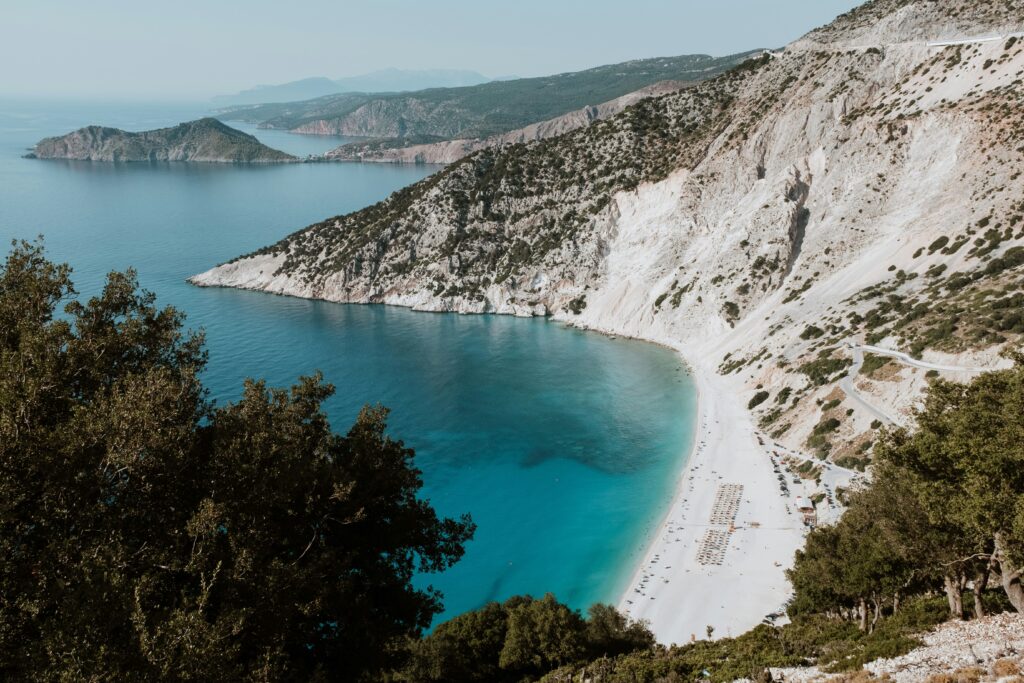
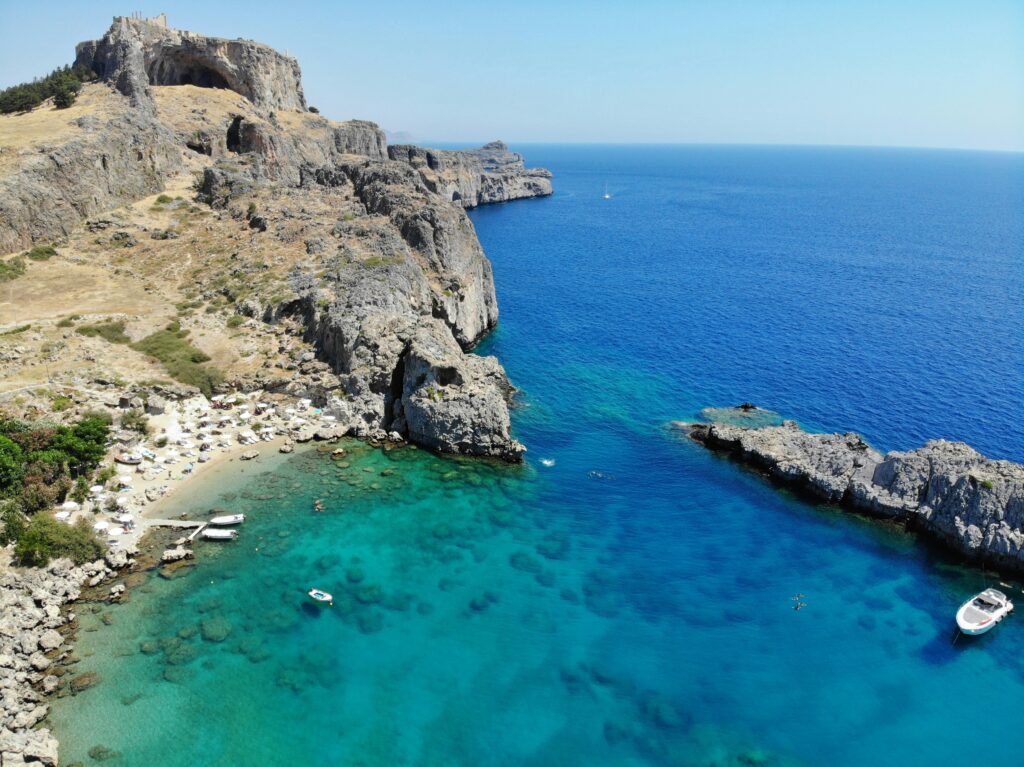
If you love Greece’s charm but want to avoid the peak-season chaos of Santorini and Mykonos, Kefalonia is a dream come true. Known for its lush green hills, dramatic coastlines, and crystal-clear beaches, this island is one of the quiet summer islands in Europe that still feels wonderfully authentic.
Why it’s special:
Myrtos Beach, often ranked among the most beautiful in the world, is surrounded by towering cliffs and bright turquoise waters.
The charming fishing village of Assos offers colorful houses, sea-view cafés, and an old Venetian castle.
Melissani Cave is a magical underground lake where sunlight dances on the water.
Best time to visit: May, early June, or September for warm weather and thinner crowds.
How to get there: Direct flights from major European cities to Kefalonia Airport, or ferries from the Greek mainland.
Where to stay: Boutique hotels in Fiskardo or beachfront villas near Lassi for easy access to both beaches and nightlife.
2. Menorca, Spain – Family-Friendly Spanish Island and UNESCO Biosphere
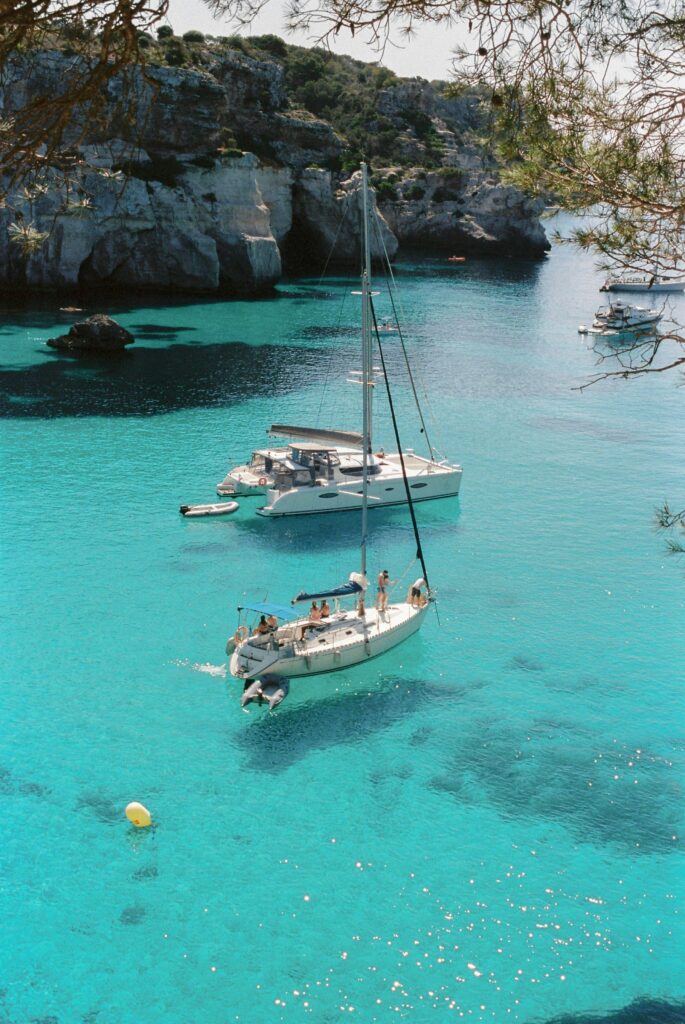
While Mallorca and Ibiza get most of the Balearic spotlight, Menorca is the island for those seeking peace, nature, and authentic Mediterranean living. In 1993, it was declared a UNESCO Biosphere Reserve, meaning much of its natural beauty is protected from overdevelopment.
Why it’s special:
Stunning turquoise coves like Cala Macarella and Cala Mitjana are perfect for swimming and snorkeling.
Family-friendly beaches with shallow waters make it ideal for kids.
Over 200km of hiking and cycling trails, including the Camí de Cavalls coastal path.
Best time to visit: Late May to early July or September for warm seas and quieter beaches.
How to get there: Direct flights to Mahón Airport from many European cities, or ferries from Mallorca and mainland Spain.
Where to stay: Whitewashed guesthouses in Ciutadella or rural fincas surrounded by olive trees.
3. Sardinia, Italy – Italian Island To Visit This Summer
Italy’s Sardinia is famous for its Costa Smeralda, but beyond the celebrity yachts and glamorous resorts lies a quieter, more authentic side. The island is massive compared to others on this list, meaning there’s plenty of space to find your private paradise.
Why it’s special:
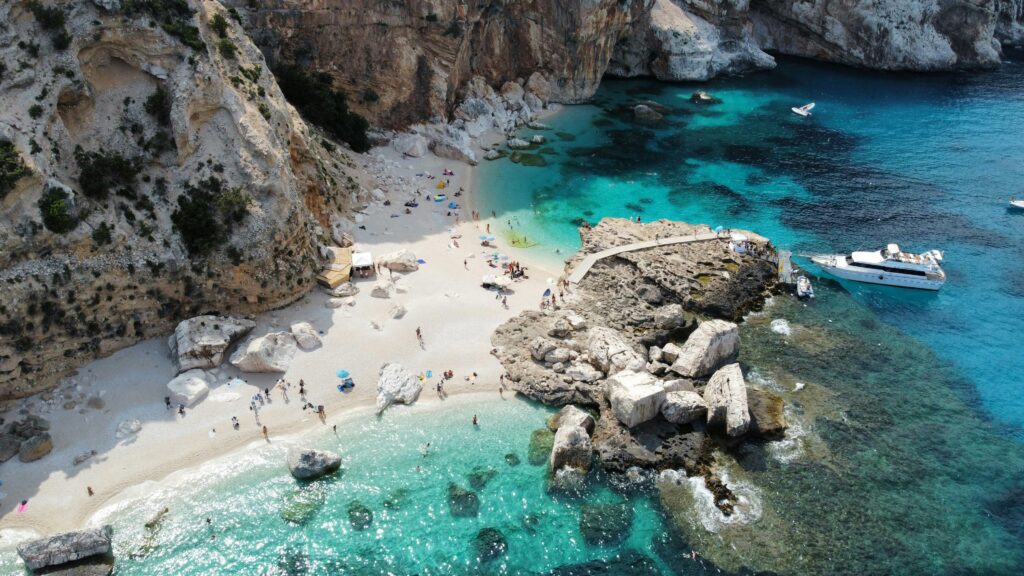
Hidden coves like Cala Goloritzé accessible only by hiking or boat.
Some of the clearest waters in the Mediterranean—perfect for snorkeling and sailing.
A rich food culture with specialties like porceddu (roast suckling pig) and pane carasau (crispy flatbread).
Best time to visit: Early June or mid-September for warm seas and fewer tourists.
How to get there: Fly into Cagliari, Olbia, or Alghero depending on which coast you want to explore. Ferries are also available from mainland Italy and Corsica.
Where to stay: Agriturismo stays in the countryside or boutique hotels in coastal towns like Villasimius.
4. Skiathos, Greece – Greek Island With Pine-Covered Hills
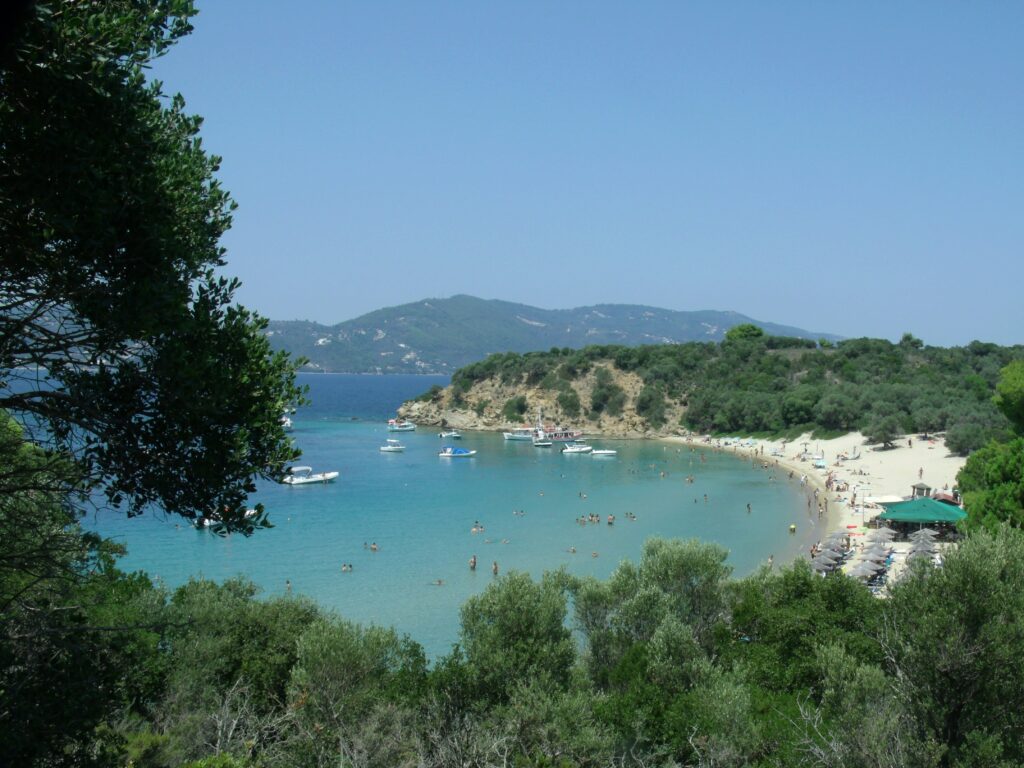
Part of the Sporades Islands, Skiathos offers a small-island feel with big natural beauty. Unlike its Cycladic cousins, Skiathos is covered in lush pine forests, giving it a unique green-meets-blue appeal.
Why it’s special:
Over 60 beaches, from lively Koukounaries to secluded Mandraki.
A charming Old Town with cobbled streets, whitewashed houses, and a lively waterfront.
Easy ferry access to neighboring islands like Skopelos.
Best time to visit: Late May or September to enjoy perfect weather and peaceful beaches.
How to get there: Direct flights from several European cities in summer, or ferries from mainland Greece (Volos).
Where to stay: Seafront apartments in Skiathos Town or quiet villas tucked away in the hills.
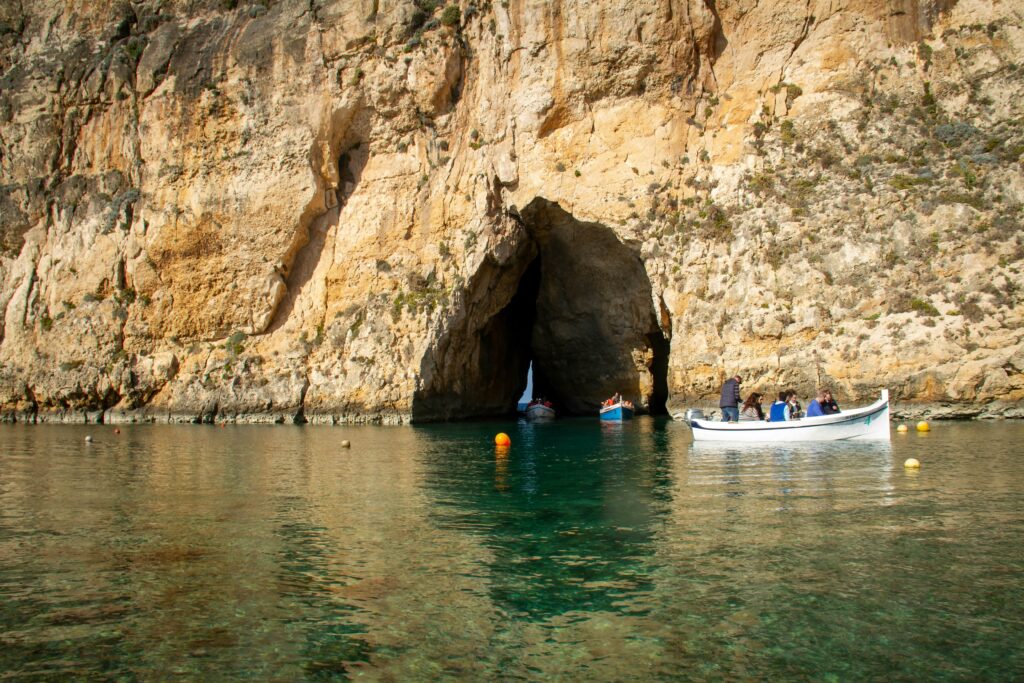
5. Gozo, Malta – Diving Paradise and Ancient History
Just a short ferry ride from Malta’s main island, Gozo is a quieter, more rural escape with incredible history and scenery. It’s a paradise for divers, hikers, and those looking to slow down.
Why it’s special:
Some of Europe’s best diving sites, including shipwrecks and underwater caves.
The ancient Ġgantija Temples, older than the Egyptian pyramids.
Rugged coastlines and natural wonders like the Inland Sea and Wied il-Għasri gorge.
Best time to visit: April–June and September–October for warm weather without the Maltese summer rush.
How to get there: Fly into Malta International Airport, then take a ferry from Ċirkewwa to Gozo.
Where to stay: Traditional farmhouses converted into guesthouses, or seaside hotels in Marsalforn.
Practical Tips for Visiting Quiet Summer Islands in Europe 2025
Traveling to less crowded summer islands in Europe is all about timing, planning, and local knowledge. Here’s how to make the most of your trip:
1. Travel in the shoulder season. Late spring (May–early June) and early autumn (September) offer warm weather, lower prices, and fewer crowds.
2. Book ferries and flights early. Even quiet islands can have limited transport links in peak season. Secure your tickets in advance.
3. Choose locally-owned accommodations. Not only does this support the local economy, but it often gives you a more authentic experience.
4. Rent a car or scooter. Many hidden beaches and remote villages aren’t reachable by public transport.
5. Respect local life. Quiet islands stay peaceful because tourism is balanced with local living—keep noise low, follow environmental guidelines, and shop locally.
Why Choose These Hidden Islands in Europe?
In 2025, the trend toward slow travel and avoiding overtourism is stronger than ever. By choosing destinations like Kefalonia, Menorca, Sardinia, Skiathos, and Gozo, you’ll enjoy:
Less crowded beaches where you can actually hear the waves.
Authentic cultural experiences not diluted by mass tourism.
A chance to relax and recharge without battling through selfie-stick crowds.
Whether you’re planning a romantic getaway, a family holiday, or a solo retreat, these quiet summer islands in Europepromise everything you love about the Mediterranean—minus the chaos.
The best part of traveling to these hidden islands in Europe is knowing you’re experiencing them as they are meant to be enjoyed: calm, authentic, and deeply connected to nature. In a world that’s always rushing, these islands remind you to slow down, savor the sunsets, and let the gentle pace of island life carry you away. Check out our guide to the best summer destinations in Europe to visit in 2025 here .